



Our Legacy
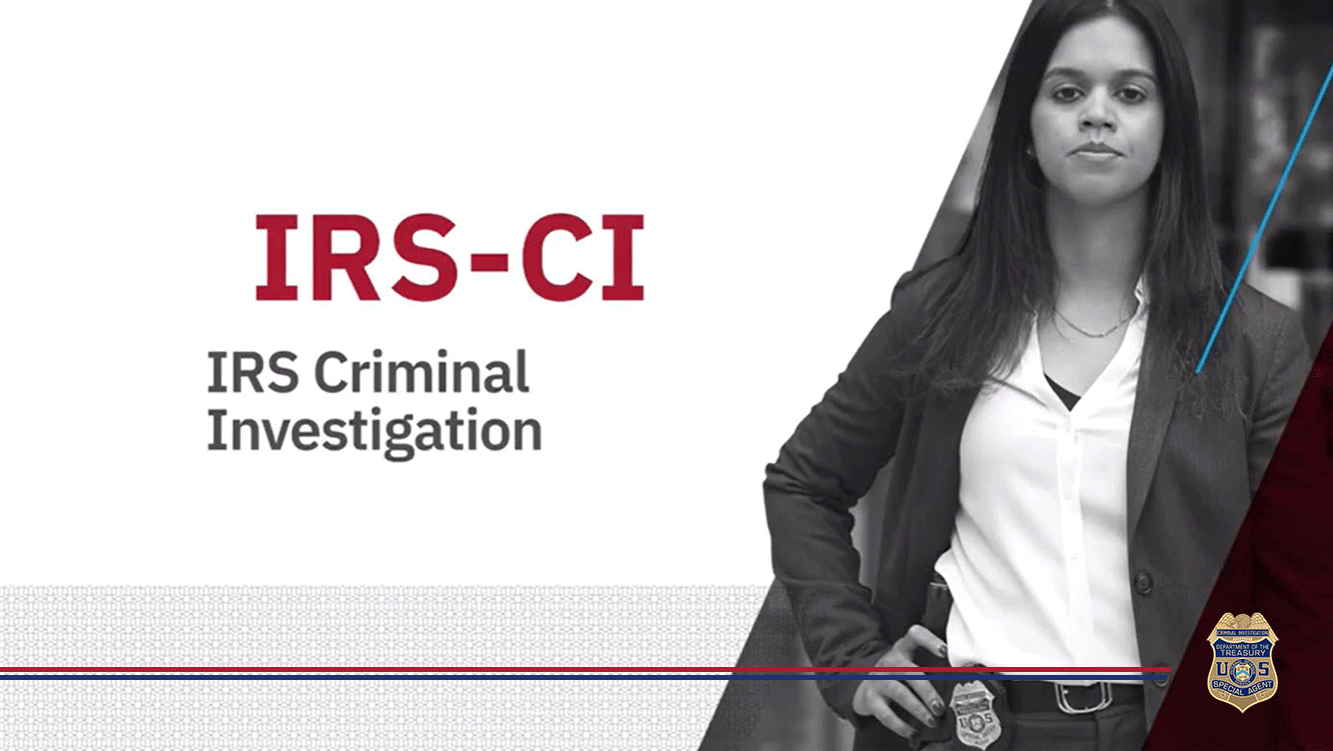
IRS Criminal Investigation (CI) is the law enforcement branch of the IRS. Founded in 1919, the Intelligence Unit, as it was formerly known, was established to investigate tax fraud. Today, due to the taxable nature of all income, encompassing both legal and illegal sources, CI’s investigative scope has broadened to cover a wide range of financial crimes. CI now holds jurisdiction to investigate identity theft, political and public corruption, international tax fraud, domestic and international terrorism, as well as Bank Secrecy Act (BSA) violations, among other potential criminal violations of the Internal Revenue Code (IRC). This broad scope aims to foster confidence in the tax system and ensure compliance with the law.
In the role of a Special Agent (SA), individuals integrate their expertise in accounting with law enforcement proficiency to probe tax and tax-related financial crimes. As sworn law enforcement officers, CI Special Agents are skilled in globally tracking funds and navigating complex financial transactions. Additionally, due to the specialized skills required to carry out intricate financial investigations, CI Special Agents are recognized as the world’s premier financial investigators.
Please be aware that if you fail to meet any of the specified requirements listed below, you will not qualify for employment with CI.
• Hold U.S. Citizenship.
• Hold a current, valid driver's license.
• Successfully pass a pre-employment drug screening.
• Successfully pass a pre-employment tax compliance screening.
• Successfully complete a pre-employment medical examination.
• Successfully complete a pre-employment Personnel Security Clearance process.
• Successfully undergo a comprehensive background check and criminal history examination.
• Be at least 21 years of age upon completion of the training academy and no older than 37 years of age at the time of appointment.
• Meet qualifications through education, specialized experience, or a combination of both.
• Be legally authorized to possess and carry a firearm.
• Have no affiliations with organizations that seek to undermine or overthrow the U.S. government.

• Uphold the highest standards of professionalism, particularly in maintaining honesty, integrity,
and accountability in all actions and decisions.
• Dedicate a minimum of 50 hours per week, which may include irregular hours, and remain available for duty at any time, including weekends and holidays, to ensure operational readiness.
• Maintain a level of physical fitness necessary to effectively respond to high-pressure and life-threatening situations as part of job responsibilities.
• Be prepared to carry out critical law enforcement duties, including arrests, executing search warrants, and handling other potentially hazardous assignments as required by operational needs.
• Possess and be ready to deploy a firearm as part of law enforcement duties; be prepared to respond to imminent threats to personal or public safety without prior warning, using firearms only when absolutely necessary to protect oneself or others. Willingness to utilize force, including lethal force, in accordance with the law and agency policy, when required to prevent serious injury or loss of life.
All applicants must clear a medical screening and once hired, must also undergo an annual fitness assessment per IRS CI Directive No. 5.
- Proper physical fitness conditioning is essential for a SA to meet the physical demands of their law enforcement duties. The primary intent of CI’s Physical Fitness Program (PFP) is to assist agents with improving and maintaining their fitness level, helping them to meet the physical demands of the job.
- CI will maintain and support the PFP for all CI Special Agents.
- Part 1 – mandates an annual medical screening consisting of a Health History Questionnaire (HHQ), height, weight, blood work for a lipid profile and glucose screening, blood pressure, a baseline Electrocardiogram (EKG) followed by an EKG every 5 years beginning at age 40, blood lead screening, and a voluntary audiogram.
- Part 2 – mandates SAs participation in annual fitness assessments of flexibility, strength, and aerobic capabilities.
- Part 3 - strongly encourages SAs to voluntarily engage in health and fitness activities that are approved as part of CI’s PFP. Physical fitness coordinators are available to provide guidance for a fitness program.
- Every SA is required to participate in the annual Physical Fitness Test to ensure their ability to respond effectively and safely to job-related situations. The assessment is comprised of four core components, each with a designated rest period between them to allow for recovery.
- Run: Timed 1.5-mile run
- Push-ups: Timed maximum number of continuous push-ups
- Sit-ups: Timed maximum number of continuous sit-ups
- Sit and Reach: Assessment to evaluate maximum flexibility

Step 1: Identify and submit a job application through USAJOBS.gov. Examine the qualification prerequisites, answer eligibility queries, and provide all required supporting documents, such as resumes, transcripts, etc.
Step 2: Application assessment is conducted. The details you provide and accompanying documentation are reviewed to verify your eligibility to progress in the hiring process. This ensures that your submitted documentation aligns with the qualification’s requirements for the position.
Step 3: Panel Interview. If chosen to proceed in the application process, a panel of senior management officials will conduct the panel interview.
Step 4: Conditional Job Offer. Following the interview, if you are recommended for employment consideration, a CI Human Resources Specialist will conduct a final qualifications review of your application. Upon confirmation, you will receive a tentative job offer (TJO) via email. This offer will specify the assigned Post of Duty (POD), provide instructions on the next steps in the process, and necessitate your response by the listed due date.
Step 5: Pre-Screen Process. A thorough background investigation, verification of tax compliance, fingerprinting, credit examination, medical evaluation, and drug screening will be completed. As part of the medical evaluation, a section of the health history questionnaire specifically related to fitness contains a certification from the SA tentative selectee about their ability to perform sit-ups, push-ups/upper body exercise, 1.5-mile run (vigorous exercise) or 3 mile walk and sit and reach/flexibility program.
Step 6: Following the successful completion of the pre-screen process (subject to the finalization of the background investigation), an employment offer will be extended. This offer will include a start date and an anticipated date for attending required training at the Federal Law Enforcement Training Center (FLETC) in Glynco, GA.
Step 7: Induction and orientation. Upon beginning employment, a new SA will report to their designated POD or FLETC as directed in their reporting instructions email.
Step 8: Required training. Discussed below, all newly appointed Special Agent Trainees (SAT) are required to attend training at FLETC. The training curriculum spans approximately 6.5 months and comprises three segments. Upon arrival at FLETC, all SATs will report for Pre-Basic Orientation Training Program (PB), Criminal Investigation Training Program (CITP) and Special Agent Investigative Training (SAIT). Upon successfully completing SAIT, a Special Agent will then report to their POD to commence their assigned duties.
As a federal employee, you will enjoy unmatched benefits. Please refer to our benefit programs for additional information.
Some of these benefits include:
- A salary commensurate with qualifications and assigned Post of Duty*.
- Initially, 13 days of annual leave; increasing to 19.5 days after 3 years and reaching 26 days after
15 years. - 11 paid holidays.
- Accrual of 13 sick leave days annually.
- Medical, dental, vision, and life insurance options.
- Voluntary participation in the Thrift Savings Plan (TSP), a retirement contribution plan.
- Enrollment in the Federal Law Enforcement Retirement System.
*The Special Agent position sets itself apart by offering distinctive pay incentives that are not available in other IRS roles. For a comprehensive overview of Special Agent compensation, please click here.
In support of the broader mission of the Internal Revenue Service (IRS) and Criminal Investigation (CI), the National Criminal Investigation Training Academy (NCITA) is committed to promoting the highest standards of professionalism and ethical conduct across the CI workforce. This is achieved through the planning, organization, coordination, and delivery of a comprehensive range of world-class learning and educational programs. These include basic training, advanced training, use of force training, leadership development, and international training. The primary objective of these programs is to enhance both individual and organizational performance within CI, aligning with the agency's core guiding principles.
All SATs will be scheduled to attend formal classroom training on the designated reporting date established by CI Human Resources and NCITA, in alignment with the centralized hiring process.
SATs are continuously monitored, observed, and evaluated throughout the CITP and the SAIT programs by NCITA and FLETC staff.
A newly appointed Special Agent must satisfactorily complete the following training programs:
- Phase 1—Pre-Basic Orientation Training Program (PB)
- A pre-basic orientation is 1 day and conducted the day prior to the start of CITP. The PB includes such topics as standards and expectations, CI organization, ethics and integrity, core values, diversity, among other necessary topics.
- Phase 2—Criminal Investigator Training Program (CITP)
- The CITP course is designed by FLETC. The course educates trainees in various Federal law enforcement skills, including the fundamentals of criminal law, constitutional law, the rules of evidence and criminal procedures, testifying practices, investigative techniques, vehicle operation, non-lethal control techniques, firearms, and defensive tactics.
- Upon arrival at FLETC, SATs MUST be able to successfully perform and complete the Physical Performance Requirements (PPRs) of CITP. Failure to complete training due to a medical or physical condition present prior to arrival at FLETC may lead to removal from training, the Special Agent position, and the IRS.
- During the first week of CITP, trainees are required by FLETC to complete a Physical Efficiency Battery (PEB) which is administered by FLETC’s Physical Techniques Division.
- The PBRs which include, but are not limited to, completing a timed 1.5 mile/walk in under 18 minutes, maximum bench press, a continuous three minute period of running, the successful completion of the Illinois Agility test in under 20 seconds, maximum number of continuous sit-ups, use of rapid and coordinated body movements to control an adversary and/or defend against physical attacks, physical control of an adversary during takedowns and all restraint techniques, etc.
- Satisfactory completion of CITP is a prerequisite for SAIT. Unsatisfactory performance in CITP will disqualify the individual from further special agent training.
- The FLETC administered CITP phase of training lasts approximately 12 weeks.
- Phase 3—Special Agent Investigative Techniques (SAIT)
- During SAIT, students will learn how to investigate the specific violations of Federal law under CI’s jurisdiction. Students receive tax law training with an emphasis on criminal violations of the tax law.
- All SATs are required to successfully complete all training performance requirements for CI training, including, but not limited to, firearms, defensive tactics, and building entry.
- Satisfactory completion of SAIT is required to retain employment as a Special Agent.
- The CI administered SAIT phase of training last approximately 14 weeks.
- Upon successful completion of SAIT, a graduation ceremony is held and SATs receive their official Special Agent badge, credentials, and firearm.
- Phase 4—On-the-Job Training (OJT)
- The purpose of the on-the-job training (OJT) program is to provide a newly trained SAT the opportunity to develop investigative skills by applying the knowledge learned in SAIT while encountering the challenges present in a real-life situation. The Special Agent OJT program is designed to provide a new SAT meaningful work assignments and assistance toward reaching a professional level of competency as quickly and efficiently as possible.
- A newly appointed SAT should expect to be in OJT status for approximately 2 to 3 years.
Other CI Career Opportunities
CI currently maintains a strong workforce that works closely with our SAs. These highly valued employees provide essential support, guidance, and assistance in carrying out CI’s critical tax enforcement mission. Broadly, these roles are categorized into Investigative, Administrative, and Technical Staff, each playing an integral part in the day-to-day operations of CI. Each of these professional staff categories contributes significantly to advancing the missions of both the IRS and CI.
To learn more about these exciting professional staff opportunities, please click here.
All appointed non-agent CI employees will report to their designated PODs to begin their assigned duties. However, they may be required to attend the training academy at a later date to further develop their skills and enhance their job performance.
Learn More and Apply
-
To view all current announcements, please click here.
-
Discover more about current CI job openings by participating in one of our virtual information sessions. View the full schedule of events by clicking here.
-
For inquiries about a career with CI, including the Special Agent position, please reach out to a local recruiter in your region. Click here for contact information.
-
To learn more about CI’s mission, please visit the IRS Criminal Investigation Careers homepage.
-
To read our most current IRS Criminal Investigation Annual Reports, please click here.
Check Out Our Videos
Prospective applicants are encouraged to explore our informative videos to gain valuable insights into the rewarding career opportunities available within CI.
Every Day is Different
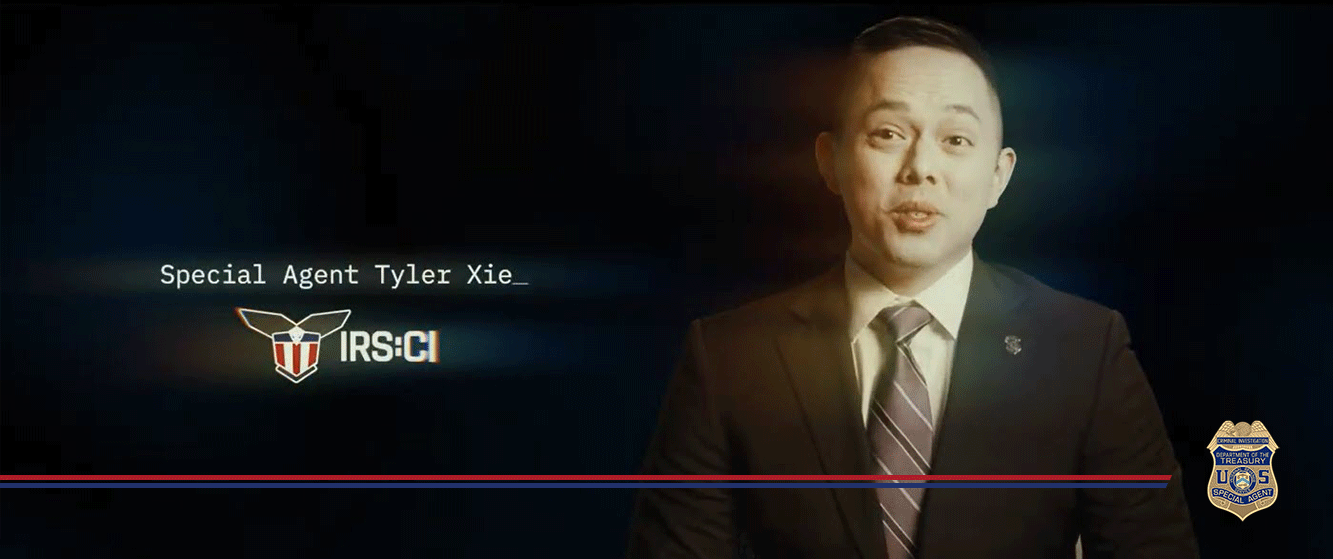
Come Work With Us
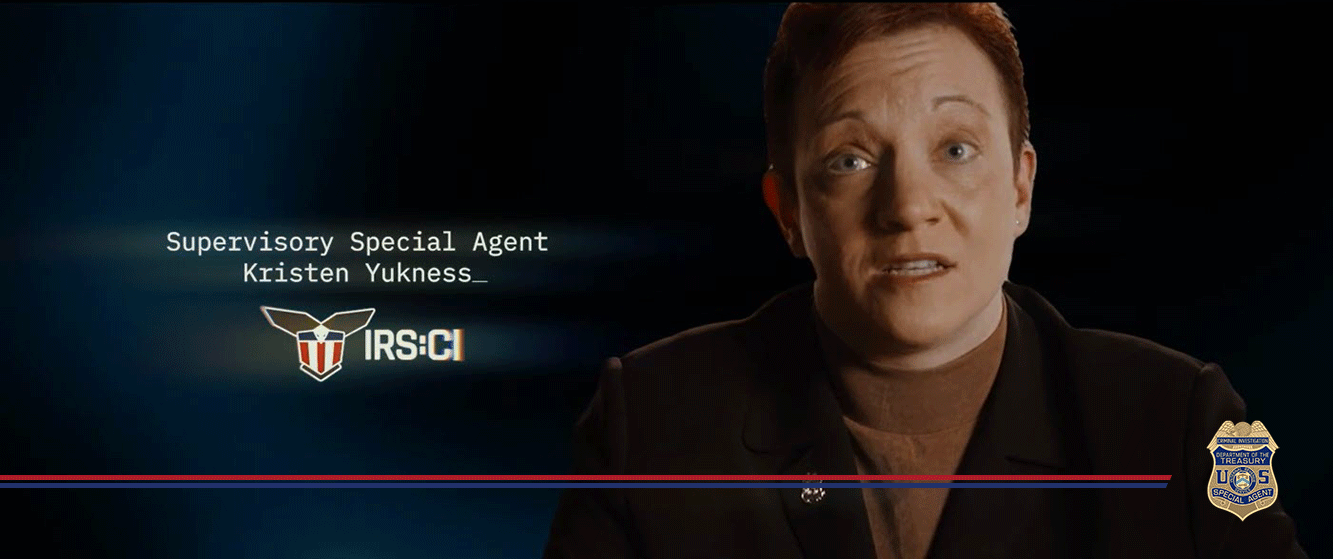
The Best Job